
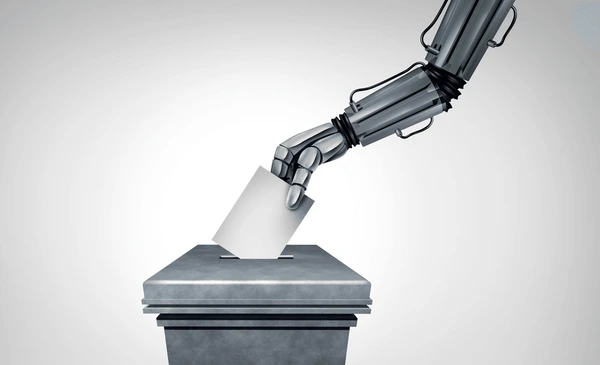
Voting is the foundation of democracy. It gives citizens the power to choose their leaders and influence decisions that shape society. In recent years, Artificial Intelligence (AI) has started playing an important role in making the voting process more informed, accessible, and transparent. While AI does not replace human decision-making, it supports voters, election bodies, and governments in many positive ways.
A. Voter Awareness and Education
AI-powered platforms help voters understand political parties, candidates, and policies. Chatbots and AI assistants can answer voters’ questions in simple language, explain complex political issues, and provide unbiased information. This is especially helpful for first-time voters and people with limited political knowledge.
B. Personalized Information for Voters
AI can analyze a voter’s interests and concerns and show relevant information about candidates and policies. For example, if a voter is concerned about education or healthcare, AI tools can highlight how different candidates stand on those issues. This helps voters make decisions based on facts rather than rumors.
C. Fighting Misinformation
Fake news and misleading information can influence elections negatively. AI helps detect false news, manipulated images, and fake social media accounts. By identifying and limiting the spread of misinformation, AI protects voters from being misled and helps maintain fair elections.
D. Improving Accessibility
AI makes voting more inclusive for people with disabilities and language barriers. Voice-based AI assistants help visually impaired voters, while real-time translation tools support voters who speak different languages. This ensures that more citizens can participate confidently in the voting process.
E. Efficient Voter Registration and Verification
AI helps election authorities manage voter registration databases, detect duplicate entries, and verify voter identities efficiently. This reduces errors, saves time, and increases trust in the electoral system.
F. Better Election Management
AI is used to predict voter turnout, manage polling booths, and reduce long queues. By analyzing data, election officials can allocate resources better and ensure smooth voting on election day.
Conclusion
AI is becoming a powerful support system in the democratic process. When used ethically and transparently, it helps voters become more informed, reduces misinformation, improves accessibility, and strengthens trust in elections. AI should always be used responsibly, with strong laws and human oversight, to protect democracy and voter privacy.